


Beyond the Prompt: How AI Can Shape Character Style and Pantyhose Fashion
One of the great things about creating a fictional character with the help of AI is that you don’t have to begin with a picture of how your character will look. You can create ideas as simple as hairstyle, clothes, personality, mood, etc., get a lot of detail quickly, and build on those details.
For example, an outfit may indicate a person’s personality. A certain color scheme or hue may lead to creating a setting for your story. Pantyhose, for example, may not be a major element of your character, but it would certainly be a component of their visual identity.
The AI gives creative people a realistic way to connect all these elements together and test them out before committing to one design. There are many different types of platforms that create fictional AI-generated content, including specialized platforms like AI Shemale Porn. Also, there are many ways that a creator could use the tools in an AI-assisted workflow when developing concept art for characters, fashion ideas, illustration styles, animation techniques, and even digital storytelling.
Start With the Character’s Personality
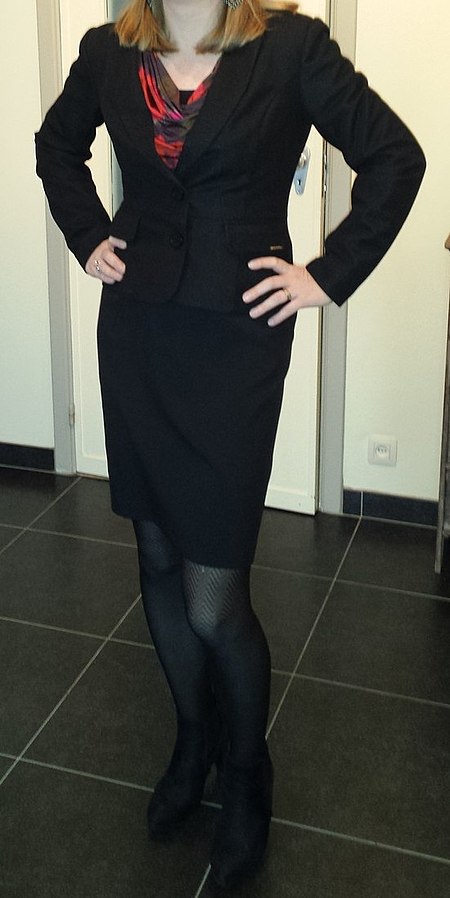
Before you decide on what your character will be wearing, determine who they are.
What type of person are they? Do they seem confident? Are they shy (reserved)? Adventurous? Professional? An artist? Relaxed? Playful?
A full personality analysis is unnecessary. One or two personality traits may give you enough information to get started with selecting clothing for your character.
Let Clothing Tell Part of the Story
Clothing is able to communicate a lot of information prior to a character speaking. Formal wear will create a different first impression than informal (casual) wear. The coordination in an individual’s attire can also convey whether or not they care about how they look.
There are many examples of this as it pertains to other items within a person’s wardrobe such as shoes, jewelry/accessories, stockings/hosiery/panty hose.
Use Pantyhose as Part of the Overall Look
When using pantyhose in your costume design, don’t treat them like a single item.
You should consider how they fit into the character’s overall look.
How you select the color, opaqueness, pattern, or texture of the pantyhose will help determine the overall image created by this piece of the character’s wardrobe.
Black pantyhose will likely enhance a darker or more formal wardrobe, and neutral colored pantyhose will provide a less flashy style.
Think About Color Coordination
Color can be a very simple way to make your clothing choices seem like they were made on purpose.
Instead of picking all the pieces separately, think about how each piece you pick will relate to other pieces in terms of color.
The character’s pantyhose, skirt, dress, shoes, etc. can either have similar tones or contrasting colors as well.
Using AI to find the right color combination has also been made easier by testing multiple options to see what works best for your overall visual brand.
Build Around One Fashion Detail
One garment can serve as the foundation of an entire character image.
You may begin with a certain style of pantyhose, a distinct jacket, a specific dress pattern,n or some other unique accessory.
Then you would explore other items that would fit well with the item you chose as your starting point.
Working this way may be more appealing than creating an entire look from scratch.
Match the Outfit to the Setting
Clothing looks better in environments that support what you are wearing.
When a character is attired to go to work, they make an entirely different impression when in a business setting as opposed to at the beach.
In addition to your clothing, the background (location), climate, lighting, and action of what you are doing need to be considered when thinking about how well your clothing fits your attire.
Give the Character a Reason to Be There
An individual who is just standing in a place may create the impression that the image lacks completion.
Provide your scene with some type of purpose.
This could be preparing for their job, going to an event, strolling around a city, meeting someone, or spending time at a place where they have been before.
The action provides the subject of the image something to do as well as creates the appearance of clothing being used as part of the circumstance rather than chosen simply to fit into the image.
Experiment With Different Wardrobe Directions

Try different variations of your base character.
Use different clothing styles but maintain similar characteristics in each variation.
As an example, one version is dressed in a business suit and wearing pantyhose. A second version dresses down slightly. And a third version does the opposite with a complete reversal of colors/styles.
Which version works best will be the most natural expression for your character.
Use Texture to Add Visual Interest
Textural and Descriptive attributes determine what clothing looks like (texturally) and feels like (descriptively).
How different textures visually appear to our eyes can be affected by the texture’s finish, if it has a pattern, as well as its degree of transparency.
When you are developing your AI-generated character’s wardrobe, instead of describing each garment individually, think about how they will look/feel together.r.
Consider the Character as a Complete Silhouette
To evaluate whether an individual’s clothing creates a suitable silhouette to match her body type (overall physique), we can assess the silhouette created by the clothing using several criteria.
Does the silhouette have recognizable lines/shape?
Are all of the major components of the outfit properly balanced?
When viewed from afar, is the silhouette coherent?
These three factors create silhouettes from pants/skirts/dresses/shoes.
Try Different Seasons
Clothing is a natural reflection of what time of year it is.
For example, autumn could include darker clothes and layers; winter could be made up of heavy materials, as well as coordinating your outerwear.
Spring would most likely show light colors. And in the summer, you probably are going to see simple styles.
This creates a simple way to create new versions of one character while keeping them who they are.
Let Accessories Reinforce the Style
A single element of an outfit can easily tell you if that outfit was worn on a TV show.
Typically, viewers associate the character’s recurring items (i.e., handbag, watch, necklace, sunglasses, scarf, hair accessory, etc. with the character themselves.
This applies to hosiery just like every other item.
Explore Different Colors of Pantyhose
You do not have to limit yourself to having all of your characters in a single type of stocking.
In addition, colors may provide an impression when you are wearing two outfits that were made up of the same color.
You could try testing some of these color options (black, nude, gray, brown) with your current wardrobe to see which ones look good together.
Use AI to Compare Fashion Ideas
One good thing about using AI in your workflow is that it allows for fast comparison of options.
Rather than spend time deciding if an idea works or if a certain combination of clothes would look right, you are able to create and show different versions of your ideas at once and see how they relate to each other.
Is there one version that looks most like the rest?
Does one communicate better your personal style/look?
Does one look more realistic in this environment?
Specialized AI Is Creating More Niche Possibilities
AI-Generated Content has expanded to multiple use cases through the development of various new tools that are specifically designed around particular demographics, visual types (nude or fashion), and workflows (animation or storytelling).
AI Shemale Porn Generated Images is an example of one type of specialized area in fiction that utilizes generated images for the purposes of telling stories.
Benefits of Specialization will allow developers to select the most appropriate tool for each of their individual projects.
Keep the Character Recognizable
Changing your clothes doesn’t always mean you’re going to change your whole personality or behavior.
Consistency in character development is probably one of the most important things to think about when it comes to keeping defining traits of a person.
Hair, facial features, colors used for characters’ clothing, jewelry/accessories, etc., are all parts of a character that can remain constant as you try out different types of clothing.
Save Your Best Combinations
The change in clothing doesn’t necessarily equate to a complete change in personality/behavior of a particular character;
The importance of maintaining consistent characteristics in your character will also help maintain the defining traits of that character.
Elements like hair, facial features, colors used for characters, accessories, etc. are some examples of those types of characteristics which can be maintained while you are trying on different outfits.
Do Not Overcomplicate the Outfit
More clothing details do not automatically produce a better design.
Too many patterns, accessories, colors, and competing elements can make the character difficult to read.
Choose a few details that matter and let them work together.
A simple outfit with a clear visual direction can be much more memorable than one overloaded with unnecessary decoration.
Let the Character’s Style Evolve
A character does not have to have a permanent wardrobe from the first generation.
Their style can develop naturally.
Perhaps a certain color becomes a recurring choice. Maybe a particular type of dress or pantyhose becomes associated with them. An accessory introduced in one scene might eventually become part of their standard appearance.
Those decisions can build identity over time.
Human Judgment Still Makes the Difference
AI can give you several options for your project; however, ultimately you are the person who will determine what the most fitting representation of the character in your imagination is.
It’s up to you as a creator to make decisions about your characters’ clothing, whether or not certain combinations of items will look good together, and how much to alter the colors.
Ultimately, it is your creative vision and judgment that provides direction for the results generated by the AI technology.
Final Thoughts
The key point here is the following: Character creation does not need an entire character description from the very beginning of the character development process.
You can develop a character simply based upon one element of her personality, one item in her wardrobe, one accessory, or even one color. Once you have developed your original concept, you can begin to build on it. Another important consideration is environment, activity, lighting, and whether accessories or clothing will be cohesive.
Pantyhose can be added to this list when considering a means to create visual identity of a character. Using AI provides the opportunity for experimenting with various possibilities prior to making a selection. The use of experimentation allows the designer to try different combinations of components to achieve a strong design, while ultimately establishing a distinctive and recognizable character style.
